
Indian Brands Spearheading Maximalism's Emphatic Resurgence In Homegrown Fashion
- Author Megha Masand
- professionalmeghamasand21@gmail.com
When Desigual enters the scene, minimalism takes a backseat. This Spanish brand comes to play, embracing maximalism with unbridled enthusiasm. Think bright colours, dramatic prints, intricate embroidery and bold motifs. Sometimes on different pieces, and sometimes, this all comes together on one jacket. Seemingly disparate patterns meet eclectic colour combinations, and the result is pieces that defy convention. The Indian audience is looking for products that allow them to express themselves freely and without inhibition, and Desigual offers just that.
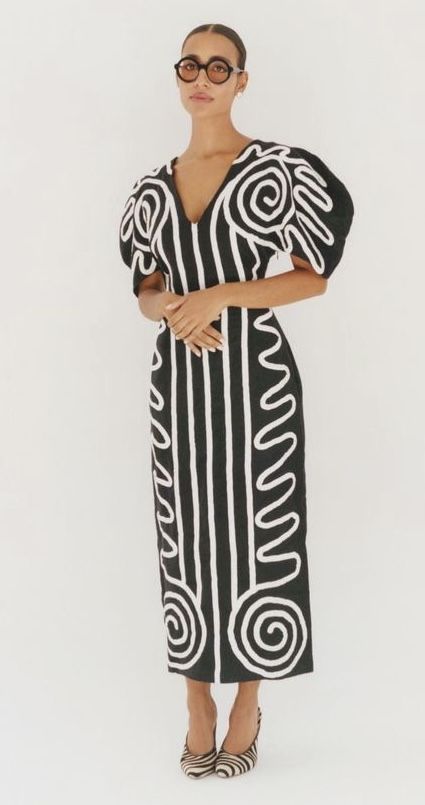
homegrown brands
Grandma Would Approve
Intergalactic Grandma on a mission to Reimagine Planet Earth’s textile waste through Reconstruction.’
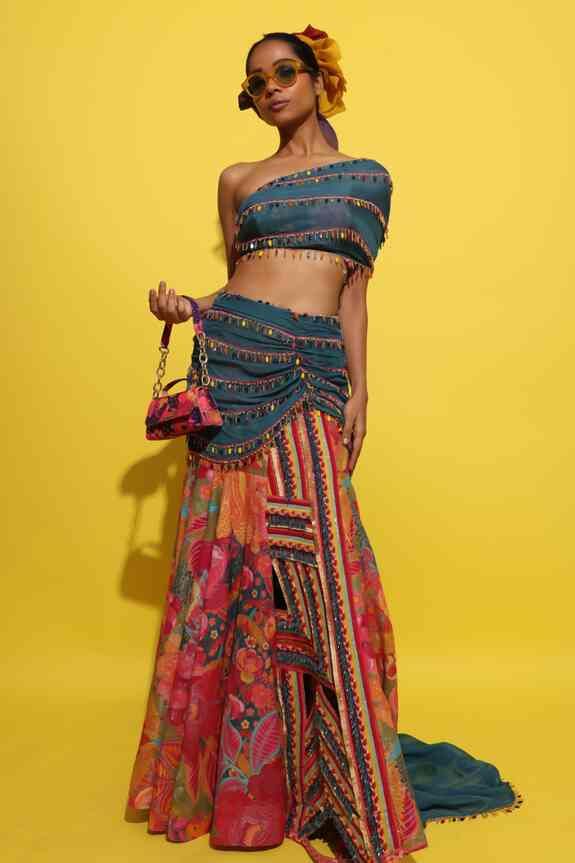
Grandma Would Approve is a homegrown brand pushing the creative boundaries with their disruptive and regenerative outlook towards fashion. They work with some unique categories such as ‘Stitched’ under which they particularly experiment with unusual fabrics. Another one would be ‘Vintage Restore’ where they modernise vintage clothes. Whereas ‘Reconstructed Couture’ on the other hand is a unique category that deconstructs vintage couture pieces in order to put them together as an amalgamated piece. Their artistic collections hence layer multiple fabrics and vibrant colours to create a symphony of vivid or rather clashing visuals that play with our sensory perceptions.
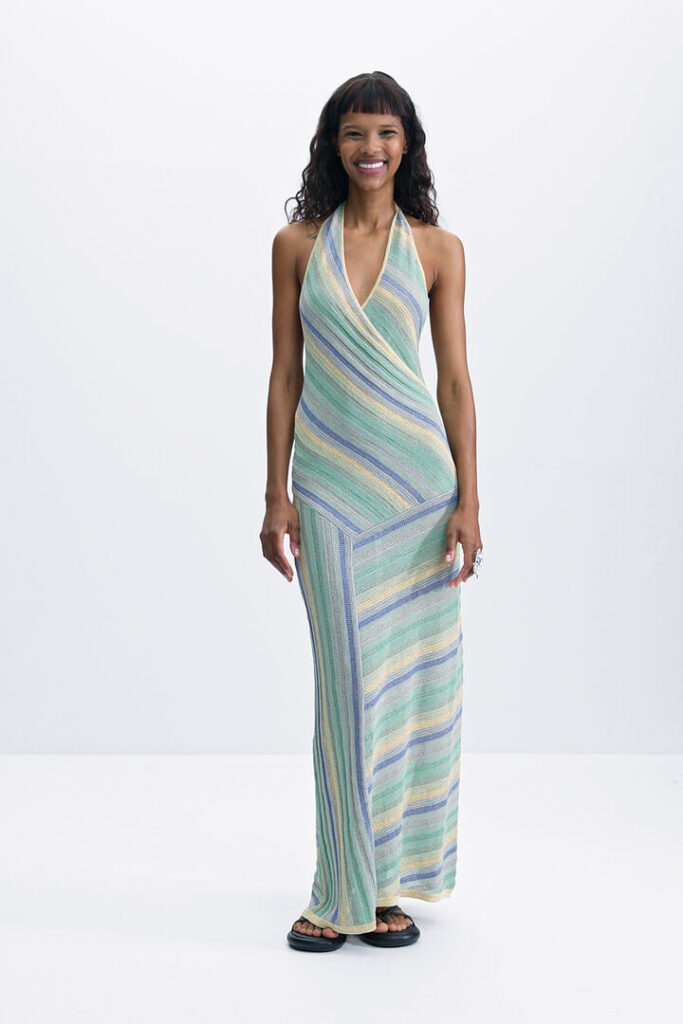
Drawn
‘Born out of pure love for bold prints and vibrant colours.’
The homegrown brand founded in 2020 is an emblematic depiction of maximalism. Through their journey of creating wearable art they often customise everyday wardrobes with a twist of fun, lively and mood-boosting hues and prints. While maintaining a functional and comfortable silhouette they also manage to work with exclusive prints created by homegrown artists, illustrators and designers; offering timeless staples that emulate individuality and experimentation.
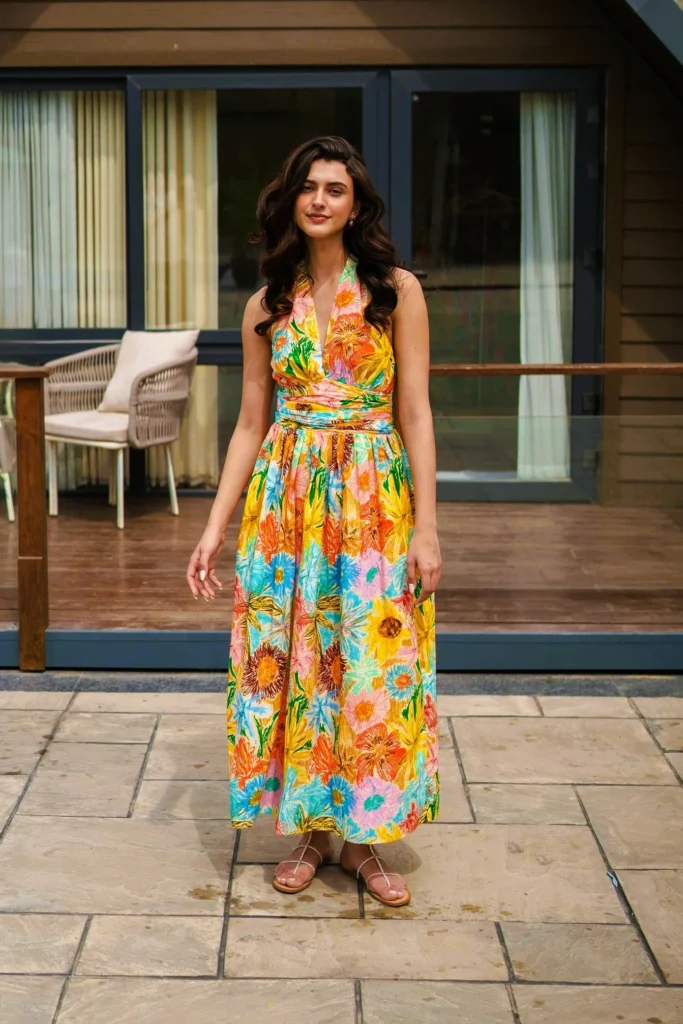
Tigra Tigra
Aligning everyday wardrobes with handicraft futurism, Tigra Tigra is an offbeat label that partners directly with 3 artisan-owned businesses in Gujarat to develop and produce all of their designs. Working with a rich colour palette and languid fit, they transgress the boundaries often conforming traditional handicrafts in order to give them a revolutionary makeover. Founded in 2016, by Parsons Design School graduate Bailey Hunter, the brand has a vibrant colour-centric aesthetic and incorporates folkloric embroidery inspired by Warli art that is native to the tribal community of Maharashtra.
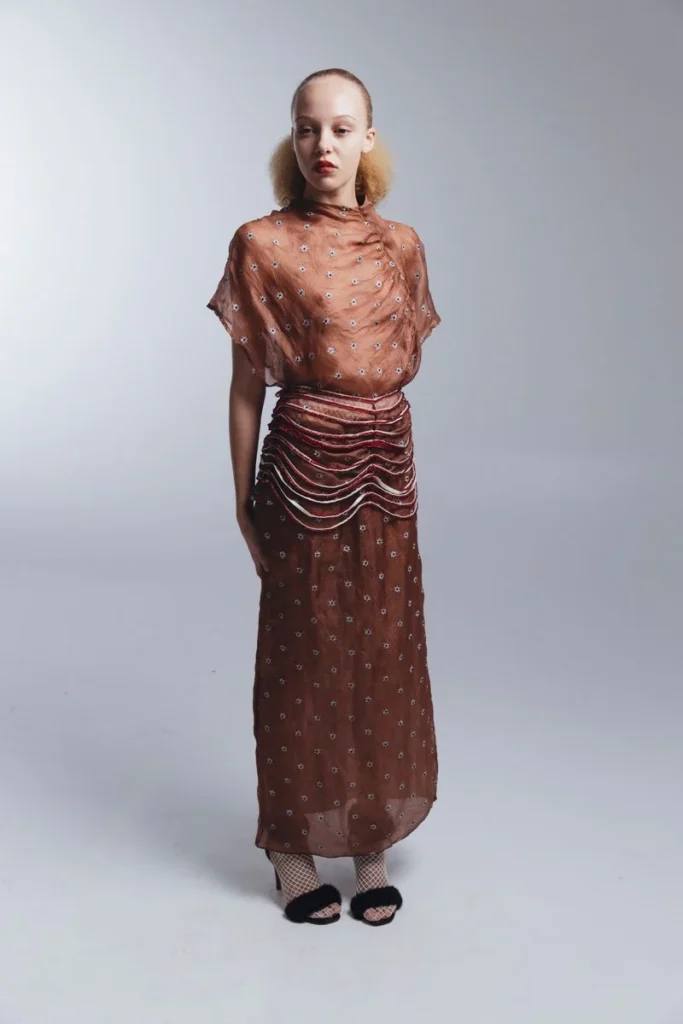
Desigual
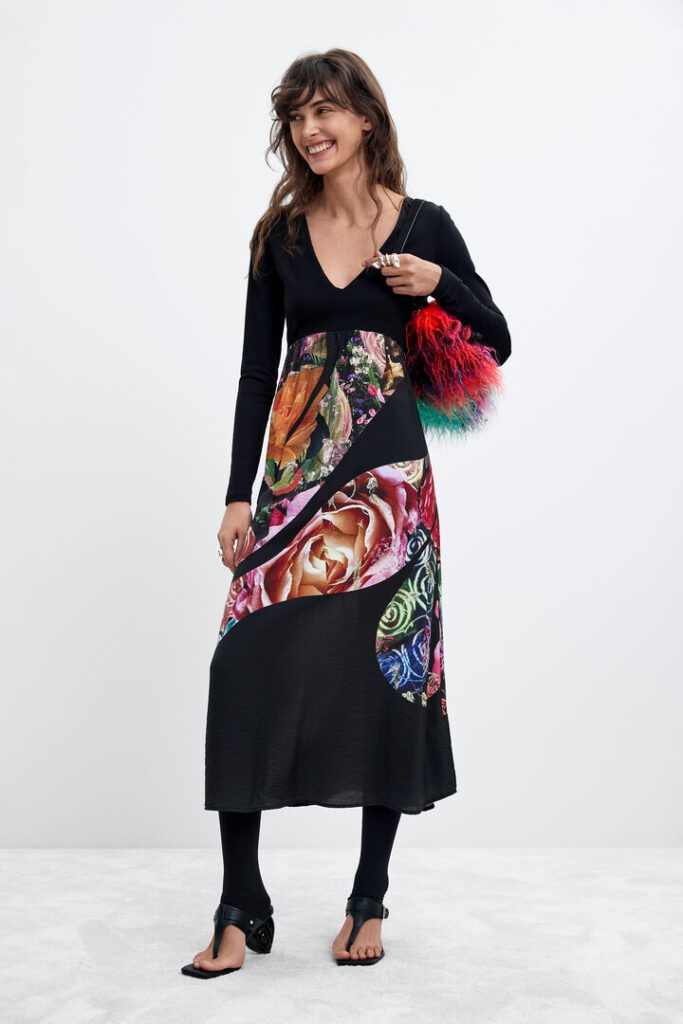
When Desigual enters the scene, minimalism takes a backseat. This Spanish brand comes to play, embracing maximalism with unbridled enthusiasm. Think bright colours, dramatic prints, intricate embroidery and bold motifs. Sometimes on different pieces, and sometimes, this all comes together on one jacket. Seemingly disparate patterns meet eclectic colour combinations, and the result is pieces that defy convention. The Indian audience is looking for products that allow them to express themselves freely and without inhibition, and Desigual offers just that.
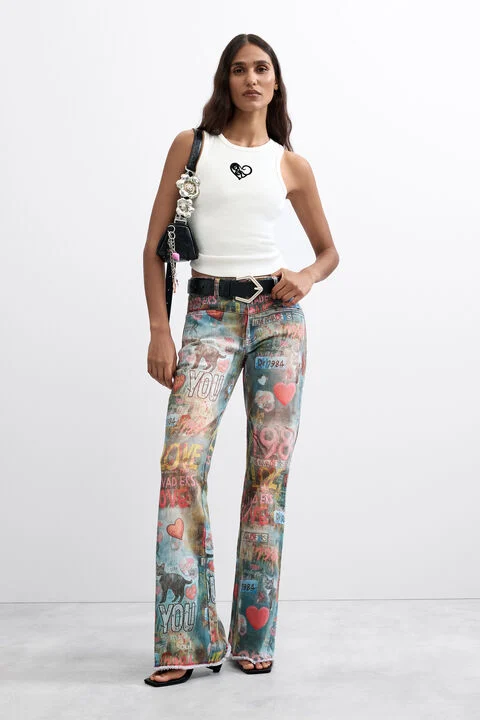
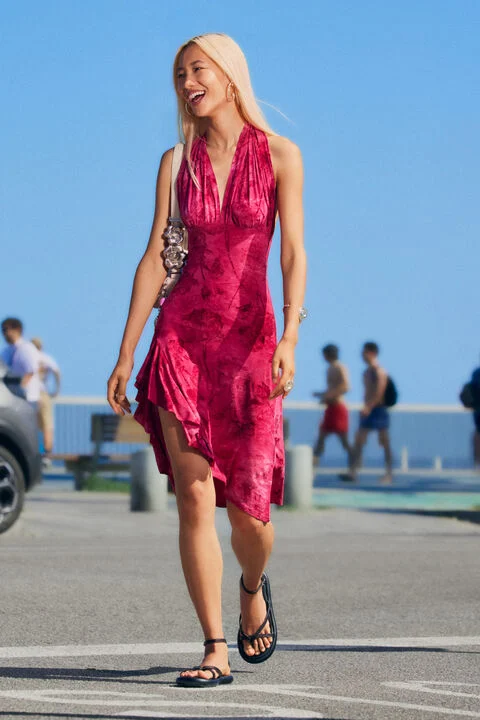
Desigual offers a slice of ’90s fashion—unapologetically maximalist prints, vibrant colours and bold details that make each piece stand out. For Gen Z, the brand offers the nostalgia-inspired Y2K aesthetic that has made a resurgence. With seasonal drops planned for the year, the brand aims to add versatility to its India offerings.
What the 2026 Version of Maximalism Looks Like
Key Silhouettes and Proportions
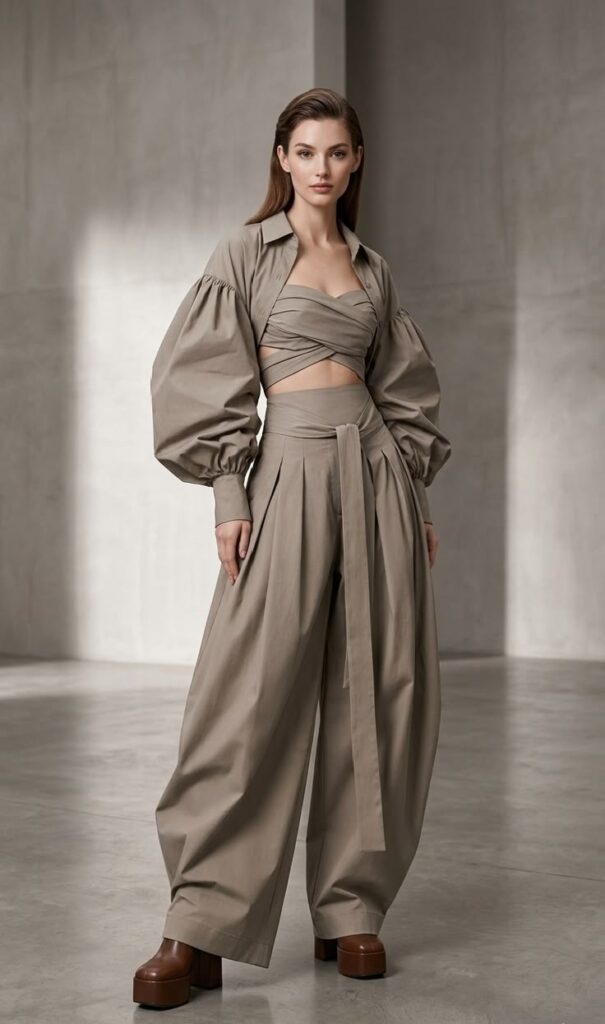
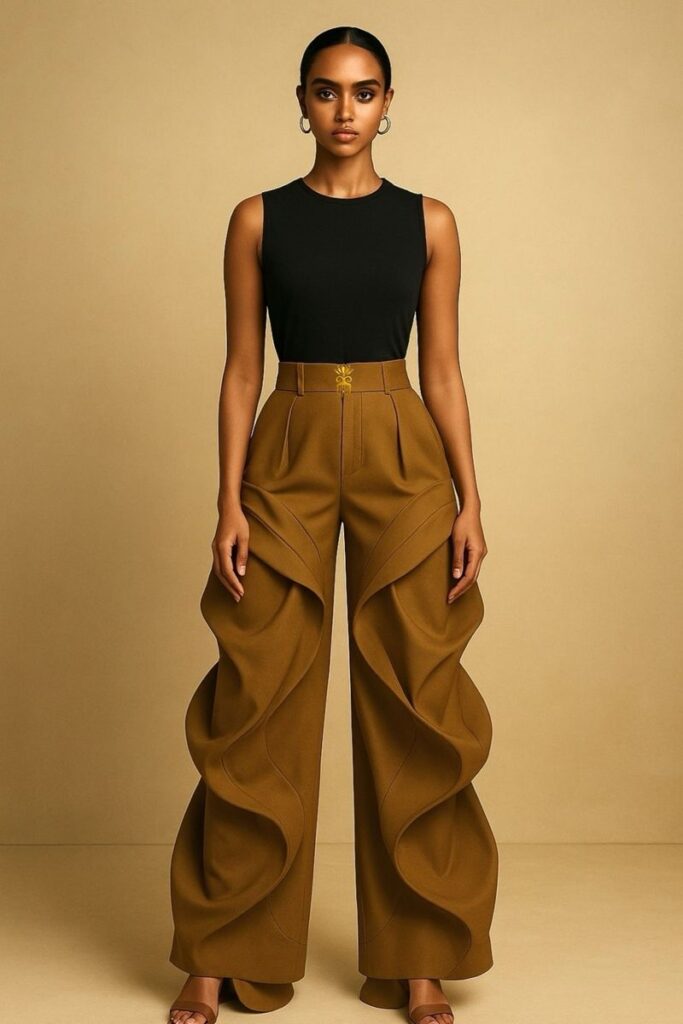
Volume is back as a deliberate design tool. At S/S 26, designers across multiple cities leaned into layered petticoats, ruffles, embroidered embellishments, and dramatically proportioned shapes. The romantic, opulent silhouette has returned, but it is being worn with a confidence that distinguishes it from nostalgia.
At the same time, contrast has become a defining technique. Boxy, oversized jackets worn against bare midriffs appeared across collections at Tom Ford, Ralph Lauren, The Attico, and Prada. Proportions are being pushed in both directions at once, creating a tension that reads as intentional rather than accidental. Exaggerated sleeves, pantaloons, and dramatic ruffle skirts all ask the wearer to take up more space rather than less.
Prints, Texture, and Colour
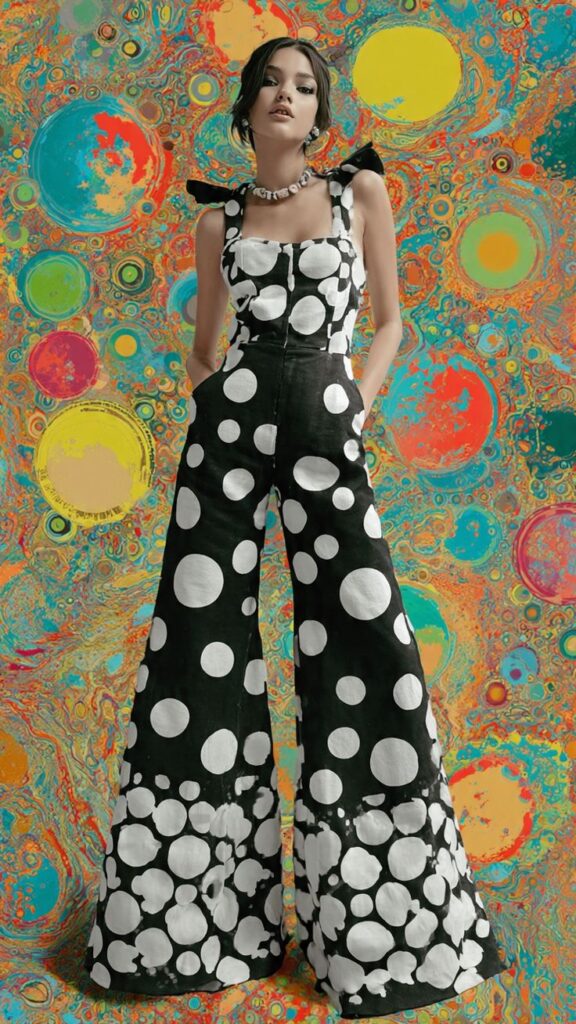
Polka dots are undergoing a full renaissance, appearing in collections from Jacquemus, Nina Ricci, Dries Van Noten, and Patou. Bold florals are back as well, though they are being treated as graphic elements rather than romantic decoration. The approach favours scale and abstraction over delicacy.
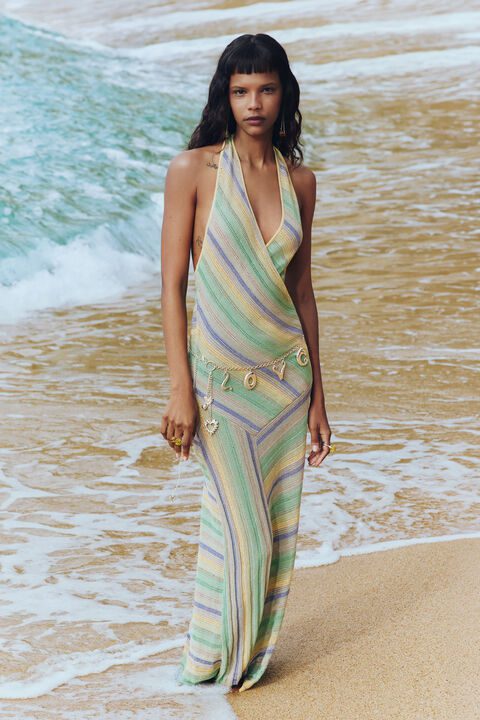
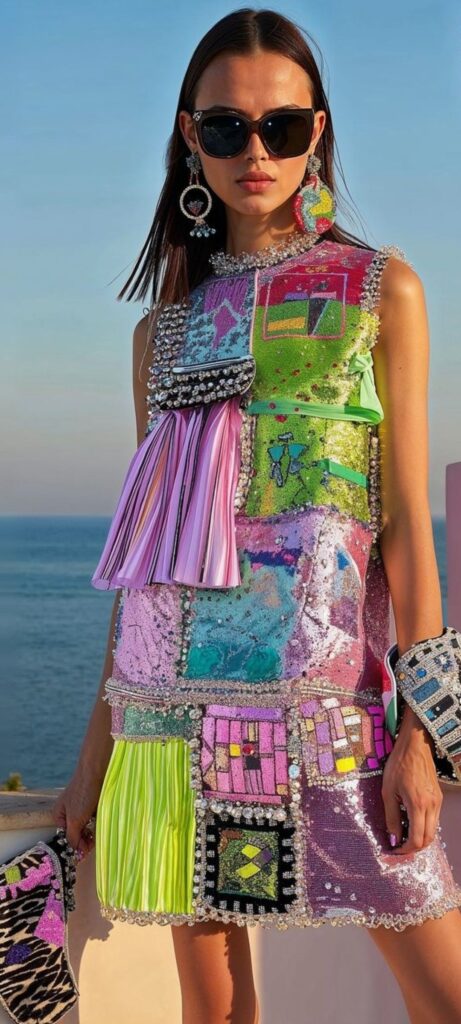
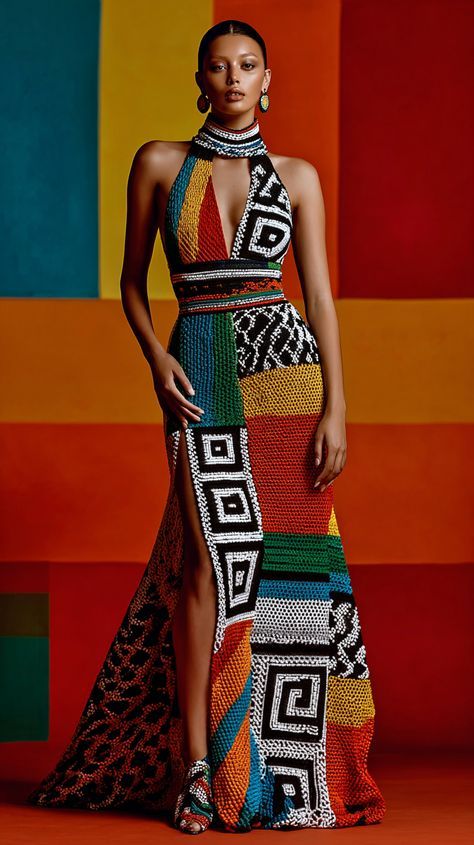
Colour has become one of the most direct expressions of the maximalist turn. Designers in Milan pushed colour-blocking to its most ambitious register, mixing shades from opposite sides of the colour wheel: mint against cobalt, lemon yellow alongside frosty blue, royal purple beside powder pink. The rule, if there is one, is simply that tones must be drawn deliberately from across the spectrum rather than pulled from the same family. Nothing is off-limits as long as the choice is made with conviction.
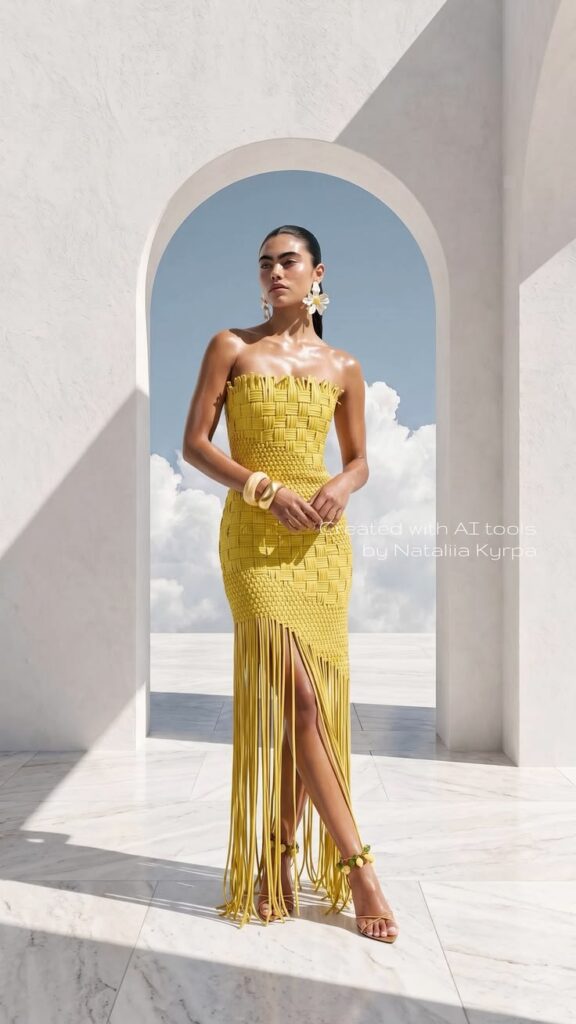
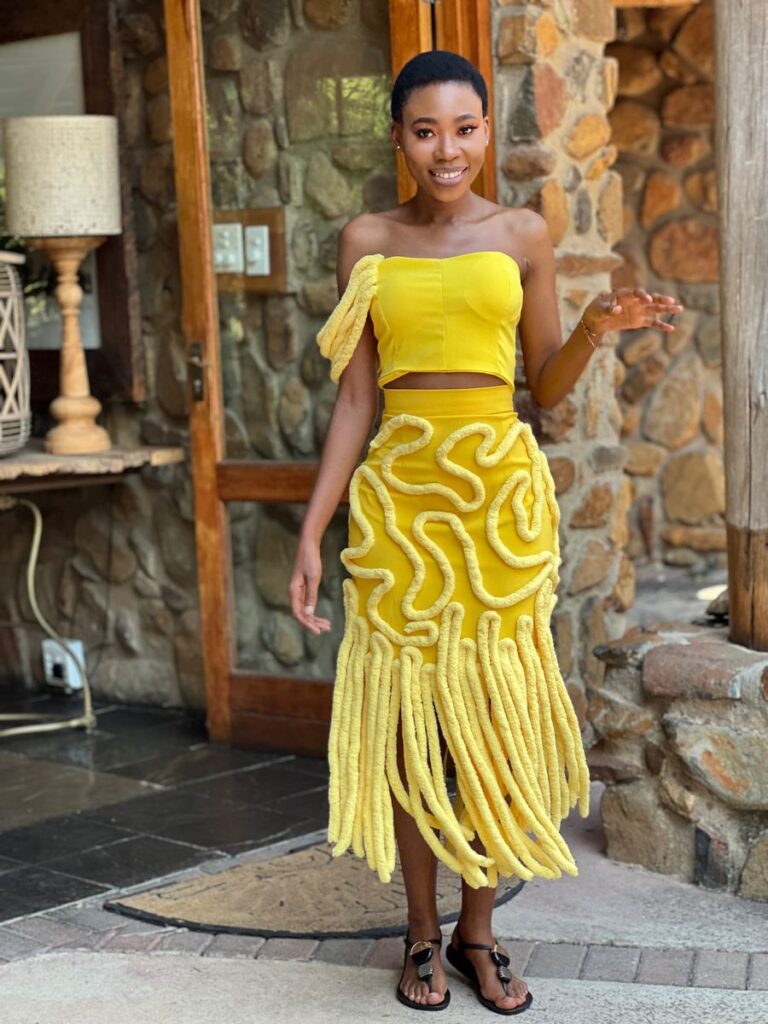
Texture layering is equally central. Lace underlayers visible beneath tailored jackets, crochet over silk, sheer mesh used as a base rather than an accent. The hand of a garment, the way it catches light and moves, has become as important as its silhouette or print.
Accessories and Layering
In a maximalist wardrobe, accessories are not finishing touches. They are structural decisions. Statement brooches, styled boldly at the collar or clustered on lapels, have emerged as one of the season’s most talked-about accessories. Necklaces are being layered at multiple lengths rather than worn as single pieces. Cuffs are stacked. Rings are worn across multiple fingers.
The overall logic is additive. Each piece contributes to a larger visual story rather than standing quietly on its own. The goal is not more for the sake of more. It is more with intention.
The Designers Leading the Shift
Several houses have placed themselves at the centre of this movement with particular clarity.
At Valentino, Alessandro Michele’s direction has introduced a new kind of extravagance: romantic in texture, eclectic in pairing, and deeply committed to layering as a design philosophy. Polka-dotted boots styled with lace leggings. Jacquard and crystals in the same look. It is maximalism that rewards close attention.
At Chanel, Matthieu Blazy built what one editor described as a cinematic fantasy world for F/W 26, standing as a deliberate counterpoint to quiet luxury. His reimagining of the house’s iconic tweed, layered with eclectic accessories and unexpected colour, brought a sense of personality back to a house long associated with restraint.
At Versace, Dario Vitale’s debut leaned into clashing brights and bold evening dressing, placing the house back at the centre of the conversation around expressive, unapologetic style. Nina Ricci and Chloé followed in a similar direction, each offering their own interpretation of the maximalist shift.
In New York, Anna Sui presented one of the season’s most discussed collections at NYFW F/W 26: bold floral prints alongside rich faux fur, leaning into visual density and what Sui herself has described as the pleasure of touch. It was a collection that treated maximalism not as a trend to engage with, but as a natural creative language.
How to Wear Maximalism Without Looking Overdone
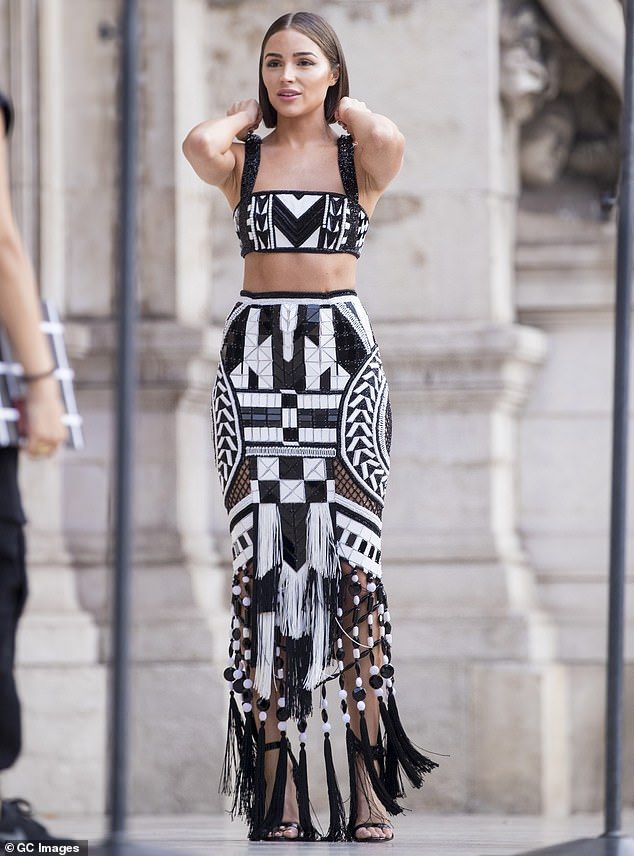
A practical starting point is print mixing. Choose two prints that share at least one colour. A floral and a stripe in the same tonal family read as intentional rather than accidental. If the print is loud, keep the silhouette clean. If the volume is dramatic, let the colour palette do less work. The two elements do not need to fight each other.
For accessories, the layering principle applies: stack within a consistent material or metal family, layer necklaces at different lengths rather than in the same register, and treat a single statement brooch on a tailored jacket as one decisive choice rather than a starting point for more.
The entry point, at any price, is the same: reach for one piece you would not normally choose. A printed wide-leg trouser. A ruffled blouse. An oversized embellished coat. Maximalism does not require rebuilding a wardrobe. It requires the willingness to commit to a choice and wear it with conviction.
The Bigger Picture
Maximalism’s return in 2026 is not simply a pendulum swing away from quiet luxury. It is a response to a specific cultural moment: one shaped by a desire for self-expression, a fatigue with visual restraint, and a generation of consumers who dress not to signal wealth but to signal identity.
The brands gaining ground right now are the ones that combine craftsmanship with personality. Shoppers are not chasing trend cycles the way they once did. They are looking for pieces that feel purposeful, that carry some element of intention or point of view. The maximalism gaining traction in 2026 fits that description. It is not excess for its own sake. It is an argument for dressing with confidence, just louder.
The quiet era served its purpose. What comes next is colour, texture, volume, and the willingness to wear all three at once.